


In today’s fast-paced world, the impact of technology on daily life is profound. Technology benefits and risks both matter because digital devices affect privacy, mental health, and physical well-being.
Americans spend an average of seven hours each day using screens for work, education, or social interactions. This high use shows why people need a balanced view of modern technology. This article explores core functions, benefits, workplace changes, and effects on education and health.
Understanding advantages and risks helps readers make informed choices about digital engagement. This exploration equips you to ask what can technology do to you and balance your technology use.
Key Takeaways
- Digital advancements enhance productivity and connectivity.
- Extensive screen time raises privacy and mental health concerns.
- Understanding risks is crucial for informed technology use.
- Work and education are significantly transformed by digital tools.
- Striking a balance in technology engagement is essential.
The Role of Technology in Modern American Life
Technology shapes how Americans interact, work, and play each day. Smartphones, laptops, smart home devices, and wearable fitness trackers guide many daily routines. These tools help millions of Americans work, learn, shop, and connect.
Understanding the impact of technology on daily life matters. Pew Research Center reports that about 85% of Americans own a smartphone. This near-universal connection gives people greater access to information and communication, but it also creates challenges.
Defining Technology in Everyday Contexts
People often connect technology with high-tech innovations from Silicon Valley. Yet it also includes streaming services, social media platforms, and cloud-based productivity tools. These tools have changed how we engage with our surroundings and one another.
Why Understanding Tech’s Impact Matters
Technology affects attention, relationships, health, and economic opportunities. Its influence is not neutral, so we should notice its convenience and hidden costs. Careful personal technology use can improve choices at home and in the workplace.
| Technology Type | Common Uses | Impact on Daily Life |
|---|---|---|
| Smartphones | Communication, Navigation, Entertainment | Increased connectivity and access to information |
| Smart Home Devices | Home Automation, Security | Enhanced convenience and energy efficiency |
| Wearable Fitness Trackers | Health Monitoring, Activity Tracking | Improved awareness of health and fitness |
| Streaming Services | Entertainment, Education | Expanded access to diverse content |
| Cloud-Based Tools | Collaboration, Storage | Facilitated remote work and teamwork |
To learn how technology influences our lives, visit this insightful article.
What Can Technology Do to You? Understanding Its Core Functions
Understanding what can technology do to you reveals how it changes communication, work, and daily tasks. Its main functions show how deeply it affects our lives.
Related Posts:
- How Science and Technology Affect Our Lives…

- Does Technology Benefit Society The Impact on Modern Life

- How Technology Affects Our Daily Lives A Comprehensive Essay

- How Technology Is Bad For Us The Negative Side Effects

- How Technology Affects Family Communication Digital…

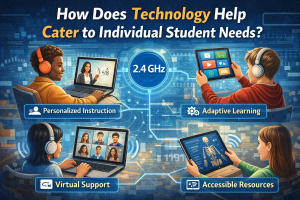
- How Does Technology Help Cater to Individual Student…
Communication and Information Access
Technology has changed how we communicate. Email, instant messaging, and video calls make connecting with others easier. Facebook, Instagram, and LinkedIn let us share our lives and ideas instantly.
Technology has also changed how we access information. Google helps us find answers quickly, while digital news platforms report current events. As a result, knowledge is more accessible than ever.
Automation and Efficiency in Daily Tasks
Automation is a major technology benefit. Smart home technology, such as Nest thermostats and Amazon Alexa, streamlines daily tasks. These tools support scheduling, shopping, and home management.
By handling boring chores, technology gives us more time for meaningful activities and improves productivity.
Personalization and Convenience Features
Personalization is a key feature of modern technology. Algorithms tailor content and recommendations to each user, improving the experience. Netflix’s recommendation engine suggests shows from viewing habits, while Spotify creates personalized playlists.
This customization makes technology more enjoyable and delivers information and services that fit each user. Still, users should recognize the technology benefits and risks of personalization.
In conclusion, understanding what technology can do to you helps you use its power wisely. Its core functions can improve communication, automate tasks, and create experiences that meet our needs.
Key Benefits of Technology in Personal Life
In personal life, technology offers connection and convenience. It changes how we reach friends and family, even when distance separates us. FaceTime, Zoom, and WhatsApp help us share special moments in real time and build community.
During the COVID-19 pandemic, video calling services became lifelines for many families. They helped people stay connected, share experiences, and support one another during difficult times. This stronger connection shows one of the biggest technology benefits of personal technology use.
Enhanced Connectivity with Friends and Family
Technology makes staying in touch easier than ever. Social media, messaging apps, and video calls connect loved ones across distances. We can share updates, celebrate milestones, and offer support despite geographical barriers.
Access to Information and Entertainment
Technology gives us wide access to information and entertainment. Netflix, Hulu, and Disney+ offer many shows and movies, while digital libraries, podcasts, and online courses build knowledge.
This access keeps us informed and makes free time more enjoyable. Online interests and hobbies have changed how we explore the world around us.
Smart Home Devices and Convenience Tools
Smart home technology highlights technology benefits and risks in personal life. Devices such as smart speakers, security cameras, and connected appliances offer convenience and peace of mind. They help manage homes efficiently while saving time and energy.
For example, smart locks let us secure homes remotely, while smart thermostats improve energy use. These tools create a more comfortable, secure home and simplify daily routines.
How Technology Transforms Professional Workplaces
Technology in the workplace has deeply changed how professionals work. Organizations use digital tools to raise productivity, support teamwork, and create new career opportunities. This change is clear in remote work, which has grown in recent years.
Remote Work and Collaboration Platforms
Remote work technology is now essential for many businesses, especially after recent global events. According to the U.S. Bureau of Labor Statistics, a significant portion of workers now works remotely at least part-time. Zoom, Microsoft Teams, Slack, and Asana support meetings, communication, collaboration, and seamless project management across physical locations.
Productivity and Automation in Business Operations
Automation drives efficiency in business operations. Salesforce supports customer relationship management, while enterprise resource planning systems streamline processes, reduce errors, and free employees for higher-value tasks. These technology benefits and risks affect productivity as organizations adapt to changing market demands.
New Career Opportunities in Tech Industries
As technology evolves, professionals gain new career paths. Cybersecurity, data science, artificial intelligence, cloud computing, and digital marketing roles are growing. These opportunities excite workers, but they must keep updating skills in a fast-changing landscape.
| Technology Tool | Purpose | Benefits |
|---|---|---|
| Zoom | Video Conferencing | Facilitates remote meetings and enhances communication |
| Slack | Team Collaboration | Improves team communication and project management |
| Salesforce | CRM Software | Streamlines customer interactions and data management |
| Asana | Project Management | Enhances task tracking and team collaboration |
Technology’s Impact on Education and Learning
In today’s digital age, technology plays a key role in changing education. It improves how students learn and interact with educational content.
With the rise of online learning platforms, students gain greater access to educational resources. This change makes learning more flexible and accessible for people from many backgrounds.
Digital classrooms are becoming common. Platforms like Canvas, Blackboard, and Google Classroom help educators build interactive learning spaces.
These tools help students in rural areas and working adults pursue degrees and certifications once out of reach. Online courses also support different learning styles, making education more personal.
Digital Classrooms and Online Learning Platforms
Online learning platforms have changed education. They give students access to many courses and learning materials.
Massive Open Online Courses (MOOCs) from Coursera and edX show this trend. Anyone with internet access can learn from top universities and instructors.
Digital learning also creates challenges. The digital divide can prevent some students from keeping up.
Students without reliable internet or suitable devices may struggle. This gap shows why schools need careful technology plans that help every student.
Educational Apps and Personalized Learning Tools
Educational apps also improve learning. Tools like Duolingo and Khan Academy offer lessons based on each student’s progress.
These applications adjust to the user’s pace, making learning effective and engaging. They can also support responsible personal technology use.
Adaptive learning software is becoming more common in classrooms. This technology checks student performance and changes the curriculum as needed.
These tools help students understand difficult concepts. They also maintain interest through a customized learning journey.
| Technology Tool | Purpose | Benefits |
|---|---|---|
| Canvas | Course Management | Interactive learning and easy access to resources |
| Duolingo | Language Learning | Personalized language practice and progress tracking |
| Khan Academy | Subject Mastery | Free access to educational content and personalized exercises |
Technology offers major benefits, but schools must address its challenges. Understanding technology benefits and risks supports better learning environments.
Schools should focus on fair access and effective implementation. These steps can maximize technology’s advantages in education.
Health and Wellness Applications of Modern Technology
Modern technology is changing how people manage health and wellness. Apps and devices help people track their health more closely than before. This section covers fitness trackers, telemedicine, and mental health apps.
Fitness Trackers and Health Monitoring Devices
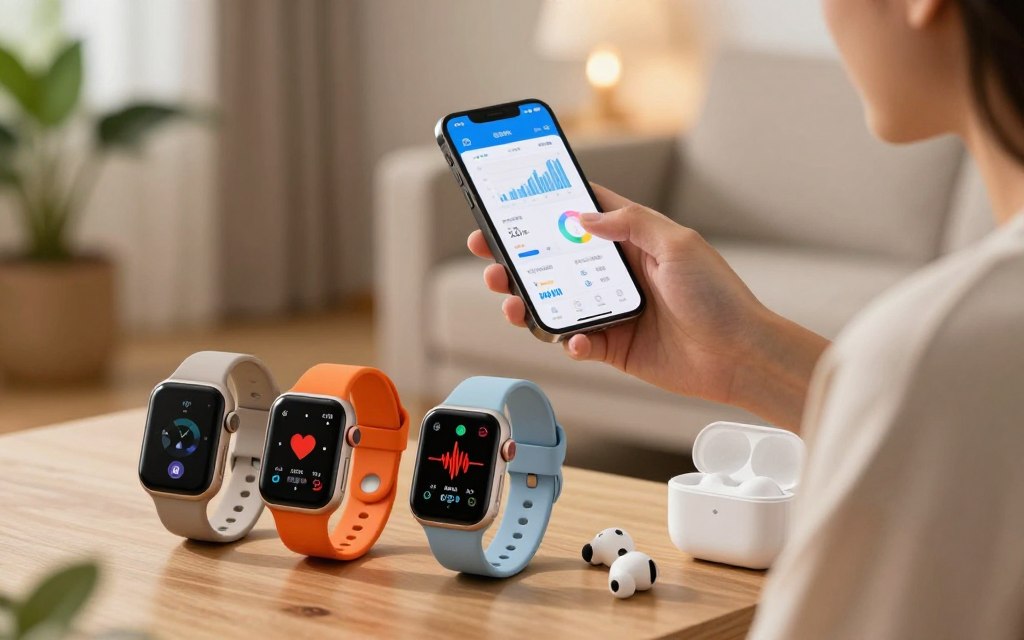
Fitness trackers and health tracking devices, such as Fitbit, Apple Watch, and Garmin wearables, have become very popular. These devices track steps, heart rate, sleep patterns, and physical activity. They motivate users to build healthier habits.
Healthcare providers can use the data these devices collect. It supports personal health reviews and quick action. However, users should understand the technology benefits and risks, including privacy and accuracy concerns.
Telemedicine and Digital Health Records
Telemedicine platforms, such as Teladoc and Amwell, have improved healthcare access, especially in underserved areas. Patients can consult healthcare professionals remotely through these services. This makes healthcare more accessible than ever.
Electronic health records (EHR) systems improve teamwork among healthcare providers. They let providers share patient information smoothly, which can improve care. However, people must maintain digital boundaries to protect sensitive health information from unauthorized access.
Mental Health Apps and Support Tools
Mental health apps like Headspace, Calm, and BetterHelp offer meditation, therapy, and emotional support tools. These applications make mental health resources more accessible. They help people manage stress and anxiety effectively.
Although these apps help, they cannot replace professional medical care. Users should use them carefully and recognize their limits. As technology evolves, people should balance it with traditional healthcare practices.
| Device/App | Functionality | Benefits | Risks |
|---|---|---|---|
| Fitbit | Tracks physical activity | Motivates healthy habits | Data privacy concerns |
| Teladoc | Remote healthcare access | Convenient consultations | Quality of care issues |
| Headspace | Meditation and mindfulness | Reduces stress | Not a substitute for therapy |
Privacy and Security Risks You Should Know
Technology can create serious privacy and security risks that everyone should understand. People may overlook how digital platforms collect and use their personal information. Google, Meta, and Amazon collect large amounts of data for advertising and service improvement.
This creates serious digital privacy concerns because people may not know how companies monitor and share their data.
Government surveillance programs have sparked debates about civil liberties and privacy rights. The Federal Trade Commission (FTC) helps regulate these practices, but individuals must also stay alert.
Data Collection and Surveillance Concerns
As technology advances, data collection methods also change. Surveillance can use cookies, location tracking, and social media interactions. These practices may expose personal information, so users should learn their rights before sharing data online.
Cybersecurity Threats and Identity Theft
Cybersecurity threats are also increasing. The FBI’s Internet Crime Complaint Center reported over 800,000 complaints in recent years. These numbers show why people must address identity theft, phishing scams, and ransomware attacks.
Common Types of Cyberattacks Facing Americans
- Phishing: Deceptive emails that trick users into revealing personal information.
- Ransomware: Malicious software that locks users out of their systems until a ransom is paid.
- Malware: Software designed to disrupt, damage, or gain unauthorized access to systems.
- Social Engineering: Manipulative tactics used to deceive individuals into divulging confidential information.
Best Practices for Protecting Personal Information
Using data security best practices is vital for protection against these threats. Here are some essential tips:
- Use strong, unique passwords for different accounts.
- Enable two-factor authentication whenever possible.
- Keep software and devices updated to protect against vulnerabilities.
- Be cautious about sharing personal information online, especially on social media.
Understanding these risks and using protective measures can help people navigate the digital world safely and confidently.
Mental Health and Social Connection Concerns
The link between technology and mental health concerns many people in today’s digital age. As screen use grows, it may affect our well-being. Understanding screen time effects can help us build healthier relationships with technology.
Screen Time and Digital Fatigue
Too much screen time can cause digital fatigue, including stress, anxiety, and burnout. According to research from the American Psychological Association, the average American checks their phone a staggering 96 times per day. This constant connection can create a cycle of overstimulation and leave people feeling overwhelmed.
Social Media’s Influence on Self-Image
Platforms such as Instagram and TikTok can strongly affect self-image and mental health. A study by the American Academy of Pediatrics links these platforms to body image issues and lower self-esteem among adolescents. The social media influence encourages a culture of comparison that can harm mental well-being.
Digital Addiction and Behavioral Patterns
Many users experience technology addiction because of infinite scrolling and push notifications. These features aim to increase engagement, often at the cost of user well-being. This pattern can cause compulsive use, affecting daily life and mental health.
| Concern | Effect | Source |
|---|---|---|
| Screen Time | Increased stress and anxiety | American Psychological Association |
| Social Media | Body image issues | American Academy of Pediatrics |
| Digital Addiction | Compulsive usage patterns | Behavioral Studies |
Physical Health Effects of Excessive Tech Use
Technology and physical health are closely linked in our daily lives. Understanding these links helps us protect our well-being. This section explains three major concerns caused by excessive technology use.
Eye Strain and Posture Problems
Long screen time can cause computer vision syndrome, dry eyes, blurred vision, and headaches. Poor device posture can cause musculoskeletal problems, including tech neck and lower back pain. The American Optometric Association recommends the 20-20-20 rule: every 20 minutes, look 20 feet away for at least 20 seconds.
Sleep Disruption from Blue Light Exposure
Blue light exposure from screens can disrupt sleep patterns. Research from the National Sleep Foundation says this light suppresses melatonin and disrupts circadian rhythms. This may make sleep harder and reduce sleep quality, affecting overall health.
Sedentary Lifestyle Risks Linked to Technology
Excessive screen time often leads to a sedentary lifestyle. The Centers for Disease Control and Prevention says prolonged sitting raises risks of obesity, cardiovascular disease, and type 2 diabetes. Regular physical activity helps counter these risks and supports better health.
| Health Concern | Symptoms | Recommendations |
|---|---|---|
| Eye Strain | Dry eyes, blurred vision, headaches | Follow the 20-20-20 rule |
| Sleep Disruption | Difficulty falling asleep, reduced sleep quality | Avoid screens 1 hour before bed |
| Sedentary Lifestyle | Increased risk of obesity, heart disease | Engage in regular physical activity |

Strategies for Balancing Technology Use in Daily Life
A balanced relationship with technology matters in today’s fast-paced world. Because we rely more on digital devices, technology balance strategies can support healthier use.
Setting Healthy Digital Boundaries
Creating digital boundaries around technology use is the first step toward a healthier relationship. Set tech-free times, such as meals or before bedtime, to connect more with family and friends.
Use screen-time management features on your devices to support your goals. Both iOS and Android offer tools to track and limit use. Also, discuss after-hours availability with your employer to reduce work-related stress.
Digital Detox Practices That Actually Work
Digital detox strategies can refresh your mind and body. Try unplugging over the weekend or taking short breaks from social media. A social media fast can help you reconnect with the real world and reduce anxiety.
Apps like Freedom or Forest can limit distractions by blocking certain websites or notifications. Effective digital detox strategies should be sustainable, not extreme, and allow gradual adjustment.
Building a Conscious Relationship with Technology
Reflecting on your technology habits is vital. Identify triggers that cause mindless scrolling or excessive use. Recognizing these patterns helps align technology use with your personal values and goals.
Consider keeping a journal to track your technology interactions. This practice can show how technology affects your daily life and mental health.
| Strategy | Description | Benefits |
|---|---|---|
| Digital Boundaries | Set specific times and spaces for tech use. | Improved focus and relationships. |
| Digital Detox | Engage in regular breaks from technology. | Enhanced mental clarity and reduced stress. |
| Conscious Use | Reflect on and adjust your tech habits. | Alignment with personal values and goals. |
Conclusion
Technology shapes how we connect, learn, and work. Knowing what can technology do to you helps you understand technology benefits and risks.
Enhanced connectivity helps maintain relationships, while access to information supports informed decisions. At work, technology boosts productivity and opens new career avenues.
Educational tools enrich learning experiences, and health applications support our well-being.
These advantages also bring challenges, including privacy concerns and cybersecurity threats. Too much screen time and social media use can harm mental health. Physical health problems, including eye strain and sedentary lifestyles, are linked to our growing reliance on technology.
Balance is key, and technology balance strategies help you enjoy benefits while limiting harmful effects. Healthy digital boundaries and digital detox practices build a mindful relationship with technology. As technology evolves, awareness and adaptability help you use its potential without harming well-being.