

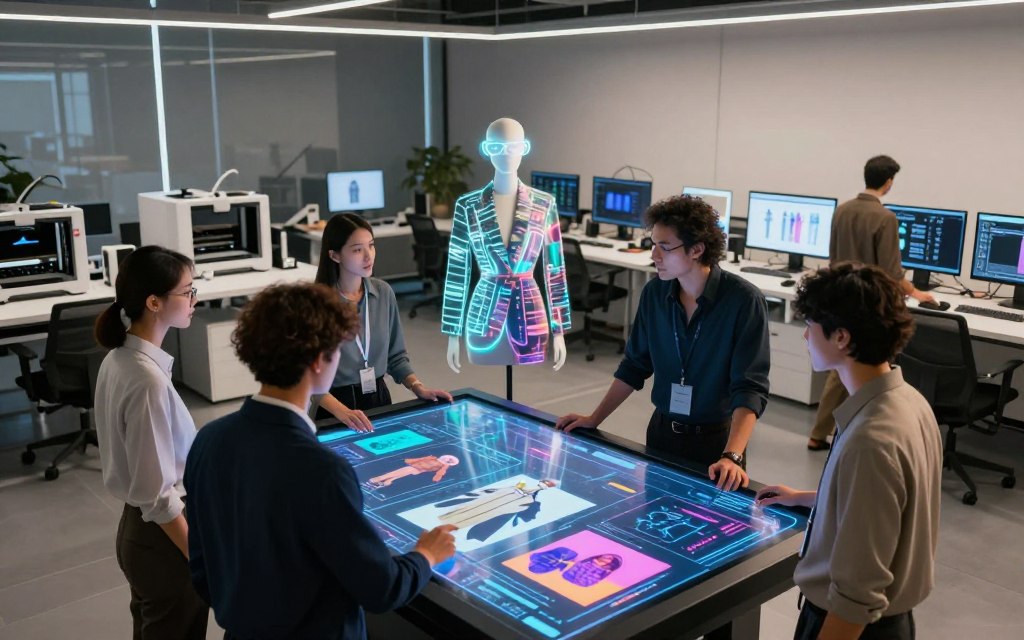
How does technology affect fashion? Innovation and style now reshape the American fashion landscape. Today, fashion industry digital transformation marks a fundamental shift.
This shift changes how brands design, produce, and sell their products. From bustling design studios in New York to vibrant manufacturing hubs in Los Angeles, digital tools shape fashion.
These advances are now essential for brands that want to stay competitive. They support innovation, improve sustainability, and strengthen consumer engagement.
Artificial intelligence, 3D printing, smart fabrics, virtual reality, and blockchain lead this change. These technologies promise to redefine the future of fashion retail, creating new opportunities and challenges. They affect industry professionals and consumers alike.
As brands invest heavily in digital infrastructure, understanding this connection is crucial. This article explores how technology and fashion combine to shape the future of the fashion industry.
Key Takeaways
- The fashion industry is experiencing a profound digital transformation.
- Innovation is driven by advancements like AI and 3D printing.
- Consumer engagement is evolving with new technologies.
- Sustainability is becoming a core focus for brands.
- Understanding these changes is vital for industry professionals.
1. The Evolution of Fashion Technology
From simple hand-stitched garments to advanced digital designs, fashion technology has come a long way.
The history of fashion technology includes major innovations that changed how garments are made and sold. The sewing machine, invented in the 19th century, transformed production speed and efficiency. This shift enabled mass production and changed fashion forever.
Another key moment was the introduction of synthetic fibers such as nylon and polyester. These materials improved garment durability and widened design choices. Computer-controlled knitting machines pushed design further, helping designers create detailed patterns and textures.
In the modern fashion industry, technology is now essential. Fast fashion requires quick production, while consumers seek more personal experiences. Brands that use fashion technology innovations can simplify supply chains and follow market trends quickly.
Related Posts:
- How Science and Technology Affect Our Lives…

- Does Technology Benefit Society The Impact on Modern Life

- The Most Important Technologies Shaping Our World

- How Does Technology Help Cater to Individual Student…
- What Can Technology Do to You? Exploring the…

- How Technology Affects Our Daily Lives A Comprehensive Essay

For example, automated cutting systems are now common in American garment factories. They improve accuracy and reduce waste.
As one industry expert noted, technology is vital for survival in today’s competitive market. This point shows technology helps fashion stay relevant and succeed over time.
| Milestone | Year | Impact |
|---|---|---|
| Sewing Machine | 1846 | Mass production of garments |
| Synthetic Fibers | 1935 | Increased durability and design options |
| Computer-Controlled Knitting | 1980s | Complex designs and efficiency |
2. How Does Technology Affect Fashion Design?
Technology has changed digital fashion design, helping designers expand creativity and work more efficiently. New tools have changed traditional garment methods and support fresh ways to create clothing. This section explains technology’s key role in modern fashion design.
Computer-Aided Design (CAD) Software
One major advance in fashion design is the use of Computer-Aided Design (CAD) software. It has largely replaced manual sketching and drafting. Designers can create, change, and test designs with speed and precision.
CAD software for fashion helps move ideas from concepts to digital visuals.
Industry-Standard Tools: Adobe Illustrator and CLO 3D
Among available CAD tools, Adobe Illustrator and CLO 3D are industry standards. Adobe Illustrator creates vector-based flat sketches and technical drawings for the initial design phase. CLO 3D specializes in three-dimensional garment visualization.
It simulates how fabrics drape and fit on a virtual model, significantly reducing the need for physical samples.
These tools let designers view drape, fit, and movement before production. They speed design and reduce material waste, which matters in today’s fast fashion industry. Faster time-to-market can determine a brand’s success.
Digital Pattern Making and Prototyping
Another key advance in digital fashion design is digital pattern making. Technologies such as Gerber Technology’s AccuMark and Optitex digitize patterns, enabling instant grading, nesting, and modifications. Designers can adjust patterns in real time, improving flexibility and response to market trends.
Virtual prototyping lets teams test designs in a digital environment before physical production. This speeds the design cycle and improves collaboration among teams in different geographical areas. As a result, American fashion companies can reach markets faster, reduce sampling costs, and improve creative collaboration.
3. Smart Fabrics and Wearable Technology
Fashion and technology have created smart clothing technology, changing how we view apparel. These designs improve style and add features that support daily life. Health tracking and better performance are driving growth in wearable tech fashion.
Conductive Textiles and Embedded Sensors
At the heart of smart fabrics are conductive textiles, including silver-coated yarns and graphene-infused fabrics. They help garments sense, respond to, and communicate with their surroundings. For example, embedded sensors can track body functions and connect fashion with technology.
However, these technologies create challenges. Manufacturers must keep fabrics comfortable, durable, and washable for smart clothing to gain wider acceptance.
Health Monitoring and Performance Apparel
Smart garments now support health monitoring and better performance. Companies like Hexoskin and OMsignal lead biometric clothing that tracks vital signs, including heart rate, respiration, and body temperature. This data helps athletes improve training and supports people who need ongoing health monitoring.
Smart performance apparel can study movement patterns and reveal ways to improve athletic performance. It can also help reduce injury risks in fitness and healthcare.
Leading Brands in Smart Wearables
Several major brands lead the smart wearables market by blending technology with their products. Notably, the Apple Watch and devices powered by Google Wear OS combine fashion with useful features. Users can track health metrics, receive notifications, and make mobile payments.
Apple Watch and Google Wear OS Integration
The Apple Watch shows how wearable tech fits into daily life. Its health apps and fitness tracking features make it popular with consumers. Likewise, Google Wear OS supports many brands and offers options for different tastes.
Nike Adapt and Adidas Smart Shoes
In footwear, Nike and Adidas are advancing designs with products like Nike Adapt self-lacing shoes and Adidas smart footwear. Embedded sensors provide real-time performance feedback and improve the user experience. These products set new standards for athletic footwear.
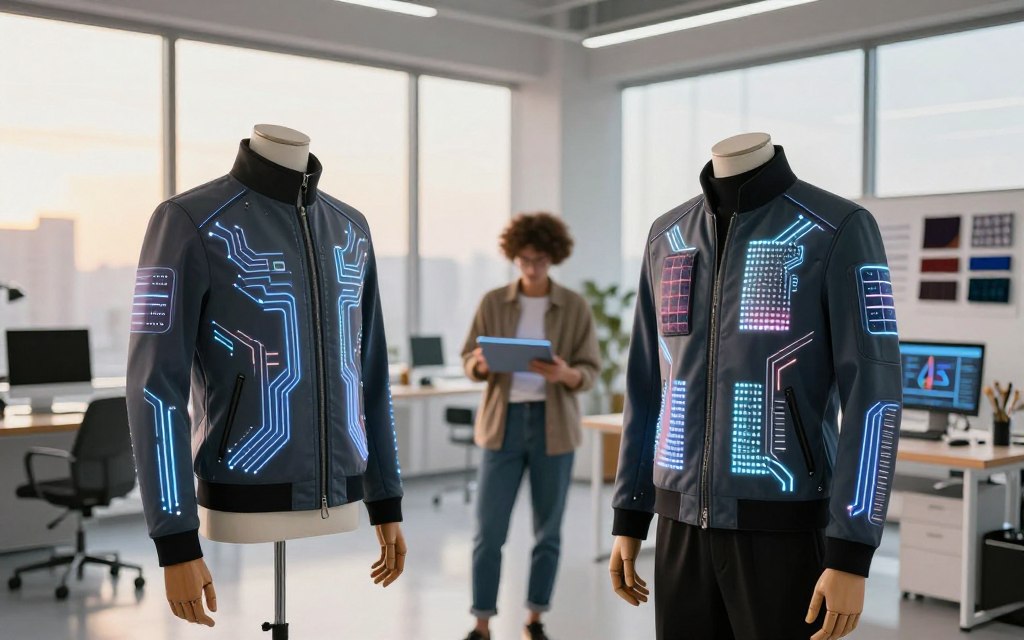
Technology-enhanced fashion is gaining acceptance and creating major market opportunities. As more consumers learn about smart fabrics, demand for innovative wearables should rise.
For more insights into the latest developments in smart textiles, visit this article.
4. 3D Printing and Digital Manufacturing in Fashion
The fashion industry is changing through 3D printing and digital manufacturing. These tools reshape clothing and accessory production while improving customization and efficiency. By supporting on-demand fashion production, they meet customer needs and address sustainability concerns.
Customization and On-Demand Production
One exciting benefit of 3D printed fashion is custom design for individual customers. Designers can make garments and accessories for exact measurements without traditional manufacturing limits. Products are made only after orders arrive, reducing overproduction and unsold inventory.
For instance, 3D printing can create designs once considered impossible. It supports complex geometries and structures, from detailed jewelry to avant-garde fashion pieces. Mass customization gives brands new ways to engage customers and improve the shopping experience.
Reducing Waste Through Additive Manufacturing
Another major benefit of additive manufacturing fashion is its ability to reduce waste. Traditional garment production often creates fabric waste during cutting. By contrast, 3D printing uses only the material needed for each final product, greatly reducing waste.
Case Study: Adidas Futurecraft 4D
Adidas Futurecraft 4D shows this innovation in action. Adidas worked with Carbon to make midsoles using Digital Light Synthesis technology. This method creates lattice-structured midsoles with exceptional cushioning and energy return. It also supports localized, on-demand production and meets fashion’s growing demand for sustainable practices.
As brands like Adidas adopt these technologies, they improve products and support a more sustainable future. Performance, customization, and lower environmental impact show how 3D printing is changing fashion.
For more insights on technology and fashion, check out this detailed study.
5. Artificial Intelligence in Fashion Design and Forecasting
AI is becoming a key force in fashion design. AI in fashion industry design boosts creativity and efficiency. By studying huge data sets, AI gives designers and retailers insights into changing trends.
One major use of AI is trend prediction through data analysis. Algorithms scan social media, online stores, and runway shows for new styles and customer preferences. This helps brands plan inventory and products while meeting customer needs.
Trend Prediction and Data Analytics
AI systems spot patterns in customer behavior that human analysts may miss. For example, they can track changing color choices and style changes over time. This lets brands adapt quickly and match their products to market changes.
AI-Powered Design Tools
Along with trend forecasting, artificial intelligence fashion design tools are changing the design process. AI design tools can create new garment designs on their own. Using generative adversarial networks (GANs), they suggest fabric combinations and automate technical specifications.
Applications at Stitch Fix and Tommy Hilfiger
Stitch Fix shows how brands can use AI successfully in fashion. The company combines human stylist expertise with algorithmic analysis for personalized clothing recommendations. It studies customer preferences and fit data to tailor its offerings to each person.
Tommy Hilfiger partnered with IBM and the Fashion Institute of Technology for trend forecasting and design inspiration. This work shows how established brands use AI to stay competitive in a fast-changing market.
| Brand | AI Application | Impact |
|---|---|---|
| Stitch Fix | Personalized recommendations | Increased customer satisfaction |
| Tommy Hilfiger | Trend forecasting | Enhanced design innovation |
| H&M | Inventory management | Reduced waste |
6. Virtual Reality and Augmented Reality in Fashion Retail
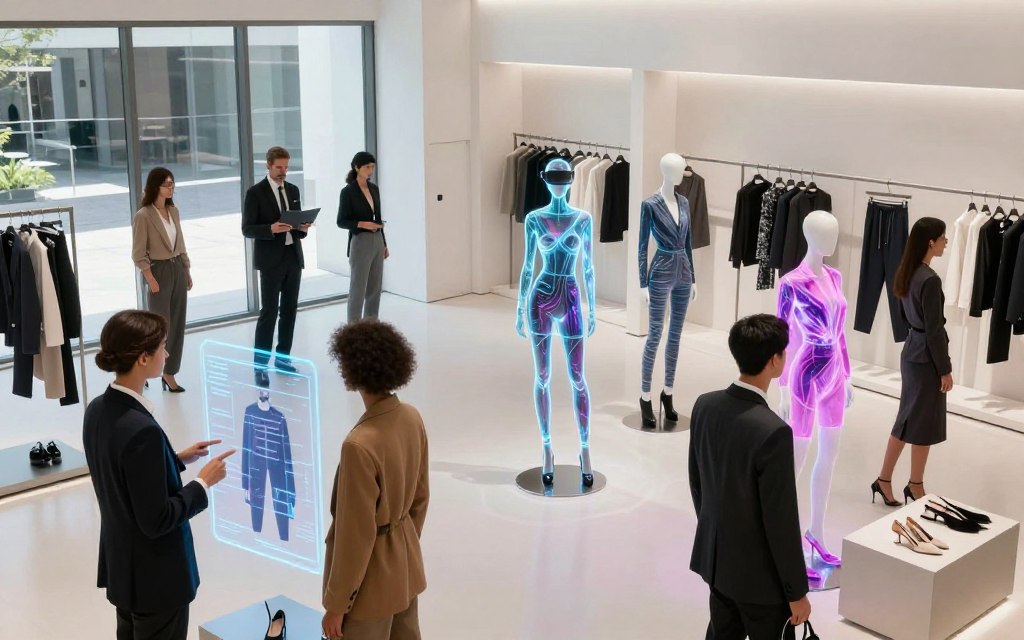
Virtual and augmented reality are changing fashion retail. These tools make shopping more interactive and personal. With virtual fitting room technology, shoppers can see clothes and accessories without trying them on.
Virtual Try-Ons and Fitting Rooms
Virtual try-ons use body scanning and facial recognition. They show customers how garments look in real time. These tools reduce returns and build buying confidence.
For example, Warby Parker and Sephora use augmented reality fashion retail strategies.
Warby Parker and Sephora AR Experiences
Warby Parker’s virtual try-on feature lets customers use smartphone cameras to see eyeglass frames on their faces. Similarly, Sephora’s Virtual Artist lets users test makeup products digitally before buying. These examples show how AR can connect online and in-store shopping.
Immersive Shopping Experiences
Beyond virtual try-ons, immersive shopping experiences are changing how consumers engage with brands. Virtual showrooms and VR fashion shows let customers browse collections and attend events worldwide. This innovation boosts engagement and gives brands new ways to present their offerings.
As the metaverse grows, digital fashion and immersive experiences will expand. Brands that adopt these technologies may lead retail’s future.
7. E-Commerce and Digital Marketing Transformation
Technology is reshaping fashion e-commerce and digital marketing, creating new fashion e-commerce trends. Social media platforms have changed how consumers discover and buy fashion products. Brands use these platforms to connect with audiences directly and personally.
Social Commerce and Influencer Marketing
Social commerce fashion is growing across the industry, with Instagram, TikTok, and Pinterest playing key roles. Influencer marketing has shifted advertising toward partnerships with social media personalities. These influencers build authentic ties with followers, making them effective brand ambassadors.
Shoppable posts and live-stream shopping events are becoming common, letting consumers buy items directly through social media. This approach improves user experience, drives sales, and supports fashion brands.
Personalization Through Machine Learning
Machine learning is changing how fashion brands personalize their offerings. Algorithms analyze browsing history, purchase behavior, and demographic data to deliver personalized fashion recommendations. This personalization improves customer satisfaction and loyalty.
Amazon Fashion and Stitch Fix Recommendations
For instance, Amazon Fashion uses advanced machine learning algorithms to suggest products from individual shopping patterns. Similarly, Stitch Fix combines data science with human stylists to create personalized clothing boxes for subscribers. These examples show how technology creates relevant and engaging shopping experiences.
Mobile commerce, same-day delivery, and seamless omnichannel integration also have a major impact. Consumers expect smooth shopping across various platforms, so brands must keep innovating continually.
| Aspect | Amazon Fashion | Stitch Fix |
|---|---|---|
| Recommendation System | Machine Learning Algorithms | Data Science + Human Stylists |
| Personalization Level | High | Very High |
| Shopping Experience | Direct Purchase via App | Curated Subscription Boxes |
8. Sustainability and Ethical Fashion Through Technology
Technology can help fashion become more sustainable and ethical. Many brands now use sustainable fashion technology to reduce environmental harm. Circular fashion innovations recycle and reuse materials, which helps cut waste.
New technology can recycle textiles once labeled unrecyclable. Chemical recycling can break blended fabrics into their original fibers, letting brands make new garments from old materials. This reduces the need for virgin resources, while mechanical recycling systems preserve fiber quality and integrity.
Circular Fashion and Recycling Innovations
Companies like Patagonia and Levi Strauss & Co. lead recycling programs. Patagonia’s Worn Wear program asks customers to repair, trade in, and recycle clothing. It supports sustainability and builds a community focused on responsible consumption.
Patagonia and Levi Strauss & Co. Recycling Programs
Levi’s focuses on lowering water use during denim production. Its partnership with recycling technology companies aims to make jeans from recycled cotton, showing how ethical fashion technology can drive industry change.
Transparency and Traceability
Transparency is another key part of sustainable fashion. Blockchain and QR codes let consumers verify their clothing’s origins. These tools show every supply-chain step, from raw material sourcing through final production, and document labor practices and environmental impacts.
This visibility helps brands build trust with consumers who demand ethical standards.
Technology helps fashion support sustainability and ethical practices. As the industry changes, these innovations can shape a more responsible future.
9. Supply Chain Innovation and Blockchain in Fashion
Today, blockchain in fashion supply chain operations brings new levels of transparency and efficiency. It streamlines work and fights counterfeiting, a major industry problem.
A key advance is RFID inventory management fashion technology. Radio-frequency identification (RFID) tags track products in real time, from factories to retail floors. They improve inventory accuracy, reduce stockouts, speed replenishment, and give Zara and Macy’s near-perfect inventory visibility.
Inventory Management and RFID Technology
This fashion supply chain innovation helps brands collect useful product movement data. The data guides stock levels and product placement, improving customer satisfaction.
Blockchain for Authenticity and Provenance
Blockchain technology helps verify luxury goods and their authenticity. Immutable records show each product’s journey through the supply chain, giving shoppers clear purchase information. This transparency documents ethical sourcing and confirms that products meet quality standards.
LVMH and Prada Blockchain Consortium (Aura)
The Aura blockchain consortium shows luxury brands’ commitment to authenticity. Major brands, including LVMH and Prada, founded the consortium. Customers can view a product’s digital certificate of authenticity and trace its history from raw materials to final sale.
This effort shows how luxury brands can work together. Their collaboration can create industry-wide standards for blockchain-based authentication.
10. Challenges and Ethical Considerations of Fashion Tech
Fashion technology challenges include ethical dilemmas and practical risks. As the industry adopts new tools, it must address data privacy in fashion and access. These issues help ensure technology serves all consumers fairly.
10.1 Data Privacy and Consumer Concerns
Fashion technology often collects personal data, which raises serious privacy concerns. Smart clothing and virtual try-ons gather information such as body measurements and shopping behavior. Breaches, unauthorized sharing, and surveillance can put this data at risk.
Regulatory frameworks like the California Consumer Privacy Act (CCPA) protect consumer rights. However, many fashion companies still struggle to explain their data practices. Clear communication about data use helps brands build consumer trust.
10.2 The Digital Divide and Accessibility Issues
Technology can improve shopping, but it can also create barriers for some groups. The cost of smart clothing and wearable technology may exclude low-income consumers. Advanced e-commerce platforms require digital literacy, which may not be accessible to everyone.
AI-powered fashion recommendations may show algorithmic bias, further marginalizing underrepresented groups. Automation is changing traditional fashion roles and raising concerns about job displacement. Companies must ensure innovations benefit all stakeholders, not only affluent consumers.
11. Conclusion
Technology is reshaping fashion through innovation and creativity. Understanding how does technology affect fashion reveals a more connected, efficient industry. Digital design tools and smart fabrics show the future of fashion industry.
Fashion technology summary shows why the industry must welcome these changes. The rise of 3D printing, artificial intelligence, and immersive shopping supports sustainable, consumer-focused fashion. These advances improve design, production, and the overall shopping experience.
As technological change accelerates, fashion brands must adapt to stay competitive. They should treat technology as a tool that strengthens craftsmanship, not a threat. This mindset helps professionals use innovation for creativity and sustainability.
The intersection of fashion and technology offers exciting possibilities. By embracing these advances, the industry can evolve, meet consumer demands, and promote ethical practices. The journey ahead holds potential and invites all stakeholders into this dynamic transformation.