

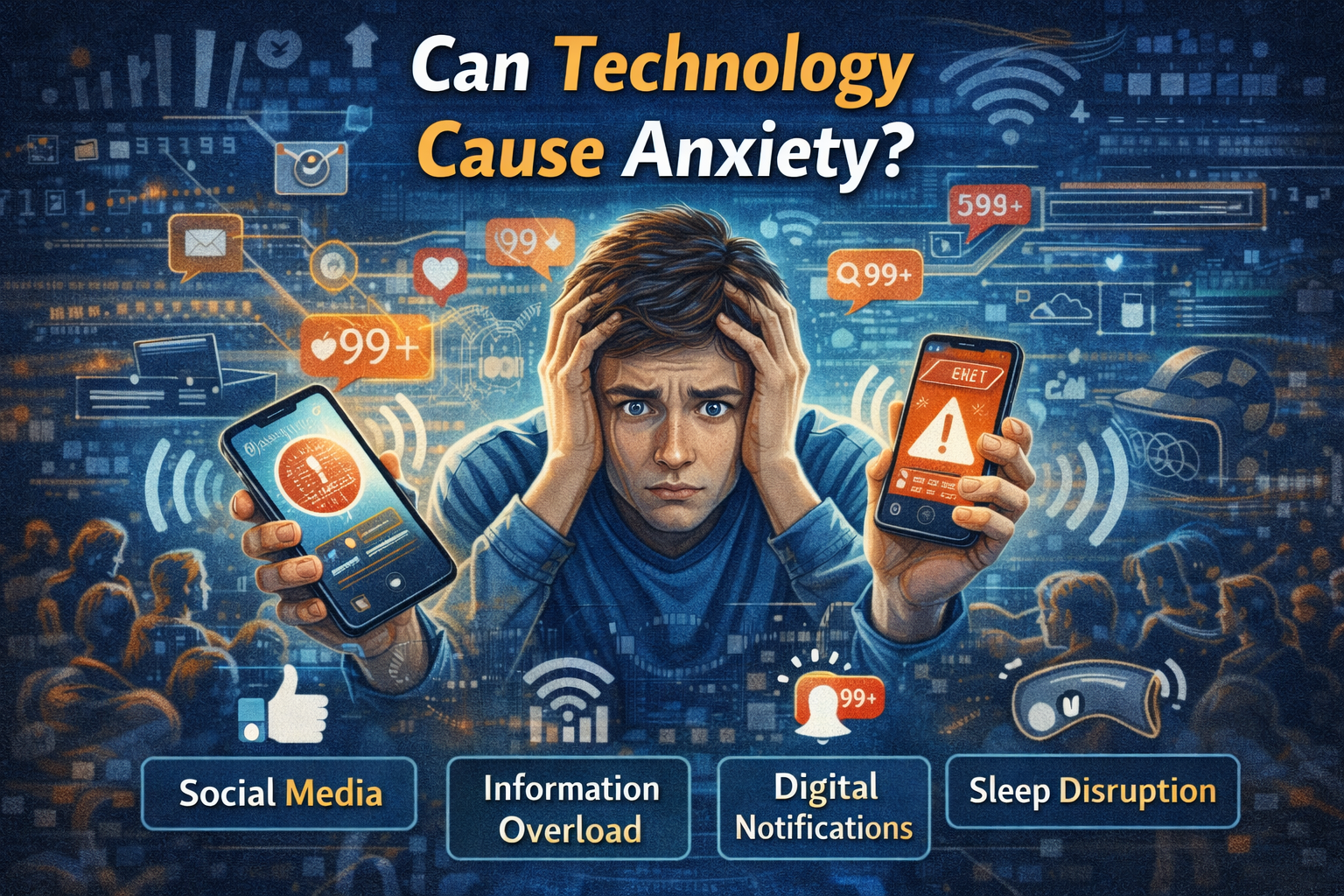
In an era defined by constant digital connection, the omnipresence of smartphones, social media, and instant communication has undeniably reshaped human experience. While technology offers unparalleled convenience and access to information, a growing concern looms: can technology cause anxiety? This question resonates deeply in 2026 as our lives become increasingly intertwined with digital interfaces. From the relentless pursuit of online validation to the fear of missing out (FOMO), the digital world, for many, has become a significant source of stress, worry, and even debilitating anxiety. Understanding this complex relationship is crucial for navigating modern life with greater well-being.
Key Takeaways
- Digital Overload & Information Fatigue: Constant notifications, an endless stream of news, and the pressure to stay updated can overwhelm the brain, leading to mental exhaustion and anxiety.
- Social Comparison & FOMO: Social media platforms often present idealized versions of reality, fostering social comparison, feelings of inadequacy, and the fear of missing out on perceived exciting experiences.
- Erosion of Real-World Connections: Excessive reliance on digital communication can diminish the quality and quantity of face-to-face interactions, contributing to feelings of loneliness and isolation.
- Sleep Disruption & Cognitive Impact: Screen time, especially before bed, disrupts natural sleep cycles due to blue light emission, impacting mood regulation, concentration, and increasing anxiety levels.
- Constant Availability & Performance Pressure: The expectation of instant responses and continuous connectivity blurs the lines between work and personal life, creating persistent pressure and stress.
The Pervasive Reach of Technology in 2026
The landscape of 2026 is one where technology is not merely a tool but an embedded layer of existence. From smart homes anticipating our needs to AI assistants managing our schedules, digital advancements permeate every aspect of daily life. This integration, while offering immense benefits, also introduces new stressors. The speed at which information travels, the sheer volume of data we process daily, and the continuous demand for our attention can be overwhelming. Many individuals find themselves caught in a cycle of checking devices, responding to messages, and engaging with digital content, often at the expense of mental peace.
This pervasive reach means that even simple tasks or moments of downtime can be interrupted by digital demands. For a deeper understanding of how modern advancements integrate into our lives, consider exploring how technology affects our daily lives: a comprehensive essay.
Understanding the Mechanisms: How Can Technology Cause Anxiety?
The link between technology and anxiety is multifaceted, involving psychological, physiological, and social factors. It’s not just the technology itself, but how we interact with it and how it reshapes our expectations and behaviors.
Information Overload and Decision Fatigue
The internet provides an unprecedented amount of information at our fingertips. While this can be empowering, it also leads to information overload. Constantly sifting through news, social media feeds, emails, and alerts can exhaust cognitive resources, leading to decision fatigue and a general sense of overwhelm. The pressure to stay informed about every global event or trending topic can become a significant source of stress. The human brain simply isn’t wired to process such a continuous deluge of data, and this can certainly lead to heightened anxiety [1].
The Illusion of Constant Connection and Social Comparison
Social media platforms, designed to connect people, often paradoxically contribute to feelings of isolation and inadequacy. The curated, often idealized, lives displayed by others can trigger social comparison, where individuals measure their own lives against seemingly perfect online personas. This often results in feelings of envy, low self-esteem, and the pervasive fear of missing out (FOMO).
“The curated reality of social media often distorts our perception of what others’ lives are truly like, fueling a cycle of comparison that can profoundly impact mental well-being.”
This constant exposure to idealized realities makes many question their own successes, appearances, and social lives, creating fertile ground for anxiety. The desire for validation through likes and comments can also become an addictive loop, further exacerbating anxious tendencies. Exploring how technology affects family communication: digital disruption delves into related societal impacts.
The Erosion of Real-World Social Skills and Connections
While digital platforms facilitate communication across distances, an over-reliance on them can diminish the quality and quantity of face-to-face interactions. Developing strong interpersonal skills, understanding non-verbal cues, and building deep, meaningful relationships often require in-person engagement. When technology replaces these interactions, individuals may feel less connected to their immediate communities, leading to feelings of loneliness and isolation, which are strong precursors to anxiety and depression. Learn more about the evolving nature of connection in how technology changed communication: from letters to instant messaging.
Related Posts:




Sleep Disruption and Its Cognitive Impact
The blue light emitted from screens (smartphones, tablets, computers) can interfere with the body’s natural production of melatonin, a hormone critical for regulating sleep cycles [2]. Using devices close to bedtime can therefore lead to disrupted sleep patterns, reduced sleep quality, and insomnia. Chronic sleep deprivation has a direct and significant impact on mental health, increasing irritability, difficulty concentrating, and significantly elevating anxiety levels. The brain, deprived of restorative sleep, struggles to regulate emotions and cope with stress effectively.
The Expectation of Constant Availability
In 2026, the expectation of being constantly available, both personally and professionally, is a significant stressor. Work emails arriving on personal devices, instant messages demanding immediate responses, and the pressure to maintain an active online presence blur the lines between work and personal life. This constant “on-call” state prevents individuals from truly disconnecting and recharging, leading to chronic stress, burnout, and heightened anxiety. The ability to switch off and find digital calm becomes increasingly vital.
Specific Anxieties Fueled by Technology
Beyond the general mechanisms, technology also gives rise to specific types of anxiety.
Cyberchondria
The ease of accessing health information online has led to an increase in “cyberchondria” – excessive or repeated searching for health information on the internet, which causes health-related anxiety [3]. While seeking information can be helpful, the overwhelming and often contradictory information available can lead to misinterpretation of symptoms and unwarranted worry about severe illnesses, even when medical reassurance is provided.
Defined Term: Nomophobia
- Nomophobia (No-Mobile-Phone Phobia)
- A prevalent anxiety in the modern era, Nomophobia is the fear of being without a mobile phone or being unable to use it. Symptoms include panic, anxiety, and extreme discomfort when separated from one’s device, or when unable to access cellular service or the internet. This phobia highlights the deep psychological dependence many individuals have developed on their smartphones.
Online Harassment and Cyberbullying
For many, particularly younger generations, the online world is a potential minefield of cyberbullying, harassment, and negative commentary. The anonymity afforded by the internet can embolden individuals to engage in aggressive or hurtful behavior, leading to severe anxiety, depression, and even suicidal ideation in victims. The persistent nature of online content means that such experiences can have long-lasting psychological effects.
Digital Addiction and Withdrawal Anxiety
Excessive use of technology, particularly social media, gaming, and online streaming, can develop into addictive behaviors. When individuals attempt to reduce their usage, they may experience withdrawal symptoms akin to other addictions, including irritability, restlessness, depression, and significant anxiety. The compulsive need to check devices or engage with online content interferes with daily life and responsibilities. The impact of technology on society, both good and bad, is a topic worth exploring further in does technology benefit society: the impact on modern life.
Mitigating the Impact: Strategies for Digital Well-being
Understanding how technology can cause anxiety is the first step; the next is to implement strategies to foster a healthier relationship with our digital tools.
1. Practice Digital Detoxes
Practice Digital Detoxes
Regularly disconnecting from technology for set periods can significantly reduce anxiety. This could involve designating “no-phone zones” in the home, scheduling screen-free hours, or taking weekend-long digital breaks. These detoxes allow the mind to rest, refocus on real-world interactions, and rediscover offline hobbies.
2. Set Clear Boundaries
Set Clear Boundaries
Establish clear rules for technology use. This includes:
- Notification Management: Turn off non-essential notifications to reduce interruptions.
- Time Limits: Utilize app timers or device settings to limit time spent on social media or other anxiety-inducing applications.
- Screen-Free Zones/Times: Avoid screens during meals, before bed, and during family time.
- Work-Life Separation: If possible, have a separate work phone or strictly define hours for checking work communications.
3. Cultivate Mindful Technology Use
Cultivate Mindful Technology Use
Instead of mindlessly scrolling, approach technology with intention. Ask yourself: “Why am I picking up my phone right now?” “What do I hope to gain from this interaction?” “Is this activity serving my well-being or detracting from it?” Mindful use involves being present and aware of how technology is impacting your mood and energy levels.
4. Prioritize Offline Activities and Connections
Prioritize Offline Activities and Connections
Actively seek out and engage in activities that don’t involve screens. This includes spending time in nature, pursuing hobbies, reading physical books, exercising, and, most importantly, fostering genuine face-to-face connections with friends and family. Strengthening these real-world bonds can act as a powerful buffer against technology-induced anxiety. The broader implications of our technological advancements are often discussed on platforms like TechTops Blog, which offers insights into various tech topics.
5. Be Discerning with Information Consumption
Be Discerning with Information Consumption
In an age of endless news cycles and misinformation, be selective about your sources of information. Limit exposure to sensationalist or constantly negative news. Seek out reputable sources and schedule specific times to check the news, rather than passively consuming it throughout the day. This helps in managing the anxiety that can arise from feeling constantly barraged by distressing information.
6. Adjust Device Settings for Better Sleep
Adjust Device Settings for Better Sleep
Utilize “night mode” or blue light filters on devices, especially in the evening. Aim to cease screen use at least an hour, preferably two, before bedtime to allow your brain to wind down naturally. Establish a consistent sleep routine to promote better sleep hygiene.
| Strategy | Description | Benefits |
|---|---|---|
| Digital Detoxes | Scheduled periods of complete disconnection from devices. | Reduces mental fatigue, improves focus, fosters real-world engagement. |
| Boundary Setting | Limiting notifications, screen time, and defining “no-tech” zones. | Enhances work-life balance, reduces interruptions, lessens “always on” pressure. |
| Mindful Use | Intentional engagement with technology, questioning purpose and impact. | Increases self-awareness, prevents mindless scrolling, aligns tech use with personal goals. |
| Offline Engagement | Prioritizing hobbies, nature, and face-to-face social interactions. | Strengthens real-world relationships, improves mood, provides alternative sources of fulfillment. |
| Discerning Information | Selective consumption of news and content from reputable sources. | Reduces exposure to sensationalism, minimizes information overload, fosters a calmer mental state. |
| Sleep Optimization | Using blue light filters, avoiding screens before bed, consistent sleep routine. | Improves sleep quality, reduces irritability, enhances emotional regulation, lowers anxiety. |
The Role of Education and Awareness
As technology continues to evolve, understanding its psychological impacts becomes increasingly important. Educational initiatives in schools, workplaces, and public health campaigns are crucial for raising awareness about the potential for technology to cause anxiety and for promoting healthy digital habits. Equipping individuals with the knowledge and tools to manage their digital lives effectively is paramount for collective well-being in 2026 and beyond. This broader discussion of how our society is shaped by digital tools can be found in content like how science and technology affect our lives: transforming society.
Conclusion
The question, “can technology cause anxiety?” is definitively answered with a resounding yes. While technology offers incredible advancements and conveniences, its pervasive nature, coupled with how we engage with it, can lead to significant psychological distress, including various forms of anxiety. From information overload and social comparison to sleep disruption and the expectation of constant availability, the digital world presents unique challenges to mental well-being.
However, recognizing these challenges empowers individuals to take proactive steps. By implementing strategies such as digital detoxes, setting clear boundaries, practicing mindful use, and prioritizing offline connections, a healthier and more balanced relationship with technology is entirely achievable. The goal is not to abandon technology, but to master its use, ensuring it serves as a tool for enrichment rather than a source of stress and anxiety. In 2026, cultivating digital well-being is not just an option, but a vital component of overall mental health.
Actionable Next Steps:
- Conduct a Digital Audit: For one week, track your screen time and identify which apps or activities consume the most time and contribute to negative feelings.
- Implement One Boundary: Choose one strategy from the “Mitigating the Impact” section (e.g., no phones in the bedroom) and commit to it for a week.
- Schedule Offline Time: Plan a specific activity that does not involve technology – a walk in nature, a coffee with a friend, or reading a physical book.
- Review Notifications: Go through your phone settings and turn off all non-essential notifications for apps that don’t require immediate attention.
References
- [1] Alter, A. L. (2017). Irresistible: The Rise of Addictive Technology and the Business of Keeping Us Hooked. Penguin Press.
- [2] Hysing, M., Pallesen, S., Stormark, K. M., Jakobsen, R., Lundervold, A. J., & Sivertsen, B. (2015). Sleep and use of electronic devices in adolescence: results from a large population-based study. BMJ Open, 5(1), e006748.
- [3] Starcevic, V. (2017). Cyberchondria: Challenges of problematic online health information seeking. Psychology Research and Behavior Management, 10, 297–301.
Frequently Asked Questions About Technology and Anxiety
Yes, extensive screen time, especially before bed, significantly impacts sleep quality. The blue light emitted from screens interferes with the production of melatonin, a hormone crucial for regulating your sleep cycle. This can lead to difficulty falling asleep, reduced sleep quality, and chronic sleep deprivation, which in turn exacerbates anxiety and affects cognitive function. It’s recommended to avoid screens at least an hour before bedtime.
Nomophobia, or ‘No-Mobile-Phone Phobia,’ is the fear of being without a mobile phone or being unable to use it. It manifests as panic, anxiety, and discomfort when separated from one’s device or when facing a lack of service or internet access. In 2026, with smartphones deeply integrated into daily life, nomophobia is increasingly common, highlighting a significant psychological dependence on these devices. It’s a growing concern for mental health professionals.
Digital detoxes involve intentionally disconnecting from technology for set periods. This practice allows your mind to rest from constant stimulation, reduces information overload, and helps break the cycle of compulsive checking. By stepping away from screens, individuals can refocus on real-world interactions, pursue offline hobbies, and experience a reduction in mental fatigue and stress, leading to a noticeable decrease in anxiety levels and improved overall well-being.
 Adrian Farrel